Sometimes, the best book recommendations come not from algorithms, but from friends. I discovered the luminous world of Elif Shafak thanks to a dear friend of mine, who gifted me a copy of The Bastard of Istanbul. It was more than a book; it was an invitation into a tapestry of history, spice, and reclaimed silence. Since then, Shafak has been a permanent resident on my “auto-buy” list.
Before we dive into her latest masterpiece, I have a small confession to make. About two years ago, I had a bit of a personal epiphany: I uncovered that I am, heart and soul, a “water baby” who had simply been hibernating for decades. Since that realization, I have become utterly obsessed with everything water—the way it carries memory, its relentless power, and its terrifying beauty. I actually intend to talk much more about this specific “hydro-obsession” and my journey back to the waves in a separate post, so stay tuned for that!
Right in the Feels
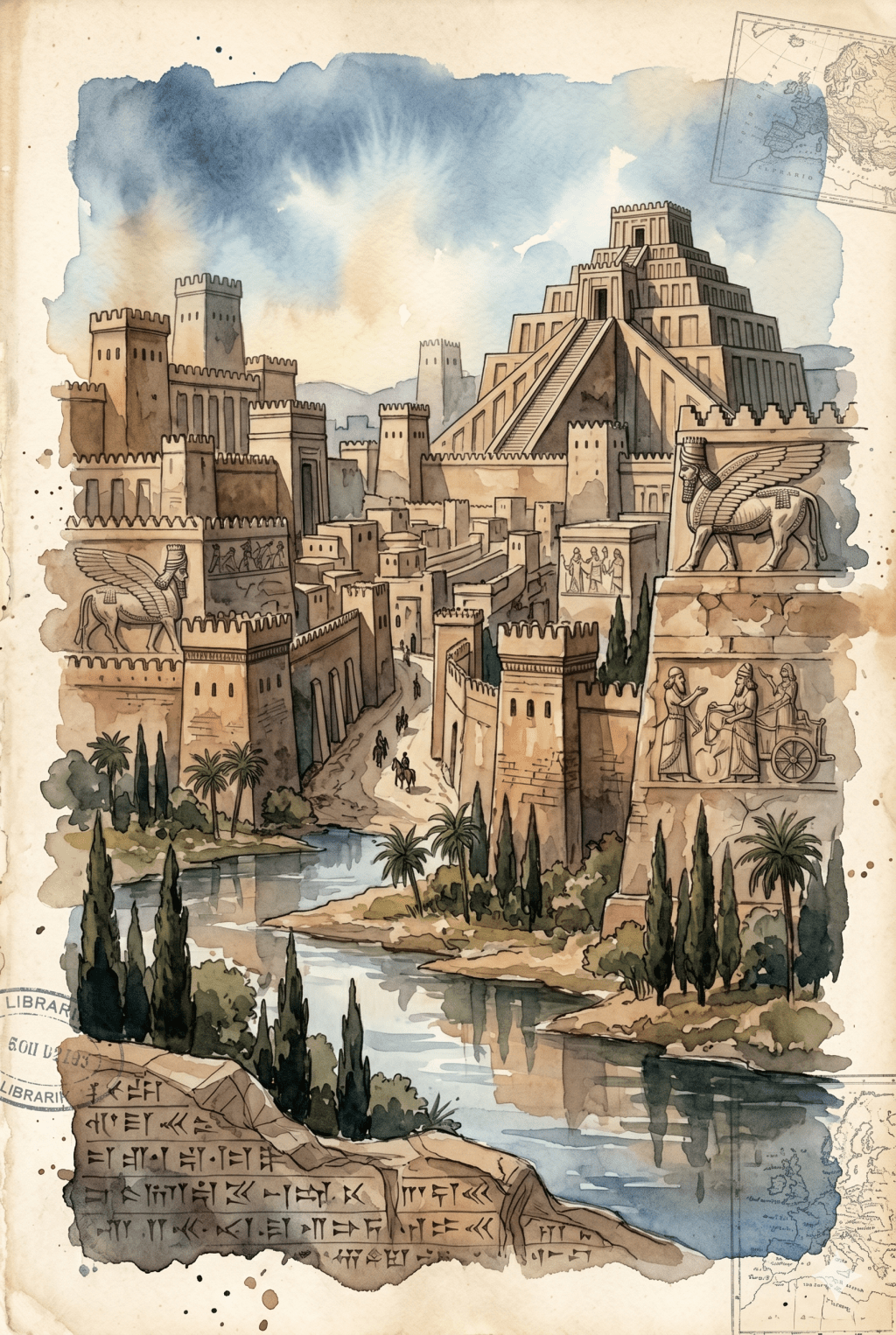
In There are Rivers in the Sky, Shafak got me right in the feels. The novel is an ambitious, sweeping epic that follows a single drop of water across centuries, linking the ancient banks of the Tigris to Victorian London and modern-day Turkey. It is a story about memory, displacement, and the literal and metaphorical rivers that run through our lives.
While the book weaves together three distinct timelines, it was Narin’s chapters that were the most profoundly painful for me. Narin is a young Yazidi girl living in a world that feels increasingly fragile. There is an aching vulnerability to her story that made my chest tighten with every page turn. While her grandmother is a central figure, I found myself grappling with a level of justified indignation toward her. Without giving anything away, there are choices made that left me frustrated on Narin’s behalf, even as I understood the crushing weight of tradition and survival.
Shafak doesn’t just describe history; she breathes it into the characters. All of them are etched with such precision and empathy that I know they will remain with me for a long, long time. They feel less like fictional constructs and more like “ghosts” inhabiting a parallel universe[cite: 7].
Confessions of a (Slightly Ignorant) Bookworm
Now, for a bit of a “confessions” moment. For all my love of history, I realized while reading this that I had a gaping hole in my knowledge: Assyria. I spent a good portion of this book consistently consulting Google to get my head around the “what, where, and how” of the Assyrian Empire. My search history is now a chaotic mix of Mesopotamian maps and cuneiform translations!
But that is the beauty of a Shafak novel—it turns you into a student. And what could be a truer sign of a bookworm than feeling a genuine, physical pang of loss for the Library of Ashurbanipal? Even though it was destroyed centuries upon centuries ago, the way Shafak describes it felt like a personal bereavement. I was mourning an ancient library on a Tuesday afternoon!
Final Verdict: Read it if you love history. Read it if you love the smell of old books and the weight of generational heritage. Read it if you are a water baby looking for a story that flows through you. It doesn’t matter if it is either, or, or everything—just read it.
I’m curious—have you ever felt a deep, personal loss for a piece of history or a lost landmark while reading?


